1 / 6
CeraVe Skin Brightening Vitamin C Serum for Face with Hyaluronic Acid
A 10% L-ascorbic acid serum from CeraVe with three ceramides and hyaluronic acid, made for morning use on all skin types.
Paid link. As an Amazon Associate I earn from qualifying purchases.
Velyqora helps you discover and compare products. Purchases are completed on Amazon.
Category: Skincare
Updated · Researched from brand, FDA and dermatology sources, not hands-on tested. How we research
Quick verdict
Good fit if you: are trying vitamin C for the first time or have found stronger serums too much; like having barrier ingredients such as ceramides and hyaluronic acid in the same bottle; and already wear sunscreen every morning, which is where this serum belongs. Dermatologists quoted by Prevention say 10% to 20% vitamin C works without being overly irritating.
Maybe skip it if you: avoid alcohol in skincare; want vitamin C paired with vitamin E and ferulic acid, the combination with the most research behind it (this formula has a form of vitamin E but no ferulic acid); or prefer to use vitamin C at night, since CeraVe's directions say morning only. Dermatologists quoted by Prevention and Fortune note that L-ascorbic acid can still be harsh on very sensitive or rosacea-prone skin, so patch-test first if that sounds like you.
Evidence: Moderate. How we grade evidence
Paid link. As an Amazon Associate I earn from qualifying purchases.
About this product
CeraVe's vitamin C serum pairs 10% L-ascorbic acid, the pure form of vitamin C, with three ceramides, hyaluronic acid and vitamin B5. CeraVe's US site now calls it Skin Renewing Vitamin C Serum and lists skin brightening as what it helps with, so you may see either name. CeraVe says it helps brighten the complexion and improve the look of fine lines, dark spots and uneven tone.
It is a morning-only serum. CeraVe says it suits all skin types, sensitive skin included, and describes it as fragrance-free, paraben-free, non-comedogenic and allergy-tested. Denatured alcohol is sixth on the ingredient list. Pure vitamin C breaks down with light and air, and CeraVe uses packaging designed to limit that.
We researched it from CeraVe's product page and ingredient list, the American Academy of Dermatology (AAD) and published research, and have not tried it ourselves.
How it fits a routine: In the morning, cleanse (and tone, if you use a toner), then smooth the serum evenly over your face and neck. Follow with moisturizer and a broad-spectrum sunscreen. Keep it away from the eye area, and rinse well with water if it gets in your eyes. If you also use a retinol or retinoid, The Ordinary's layering guide suggests a simple split: vitamin C in the morning, the retinoid at night. Store the bottle somewhere cool and dark.
Worth knowing
- How strong is the evidence? Moderate. A 2026 systematic review of 44 studies found that stable, low-pH L-ascorbic acid improved signs of sun aging, with weaker support for fading dark spots. Many of the studies were small, short or industry-sponsored, and few included darker skin tones. That research is about vitamin C in general; CeraVe's page does not cite a study of this serum.
- Sunscreen comes first: Vitamin C adds no UVA or UVB protection, as dermatologists quoted by NBC Select point out. The AAD lists vitamin C among over-the-counter ingredients for dark spots but says treating them begins with sunscreen. Even then, the AAD says a spot a few shades darker than your skin usually takes 6 to 12 months to fade.
- Freshness: A dermatologist quoted by Fortune calls L-ascorbic acid the least stable form of vitamin C, and one quoted by TODAY says it can lose strength with light and air. Close the cap after use and keep the bottle out of the sun.
- Fragrance and alcohol: CeraVe describes the serum as fragrance-free, and no fragrance appears in its ingredient list. Denatured alcohol does, near the top.
- Pregnancy and breastfeeding: CeraVe's page doesn't address pregnancy. If you're pregnant or breastfeeding, run any new product past your doctor.
- Patch test first: The AAD's method is to apply a quarter-sized amount to a spot such as the inside of your arm twice a day for 7 to 10 days. A dermatologist quoted by TODAY suggests this especially if your skin is sensitive or you haven't used vitamin C before.
This is general information to help you choose products, not medical advice. Skin responds differently from person to person. Patch-test new products, follow label directions, and talk to a dermatologist or doctor about skin conditions, prescription treatments, pregnancy or breastfeeding.
Decided?
Paid link. As an Amazon Associate I earn from qualifying purchases.
More in Skincare
View allPaid links. As an Amazon Associate I earn from qualifying purchases.
La Roche-Posay
La Roche-Posay 12% Vitamin C Face Serum, 2 formulas with hyaluronic acid
A 12% pure vitamin C morning serum with salicylic acid and hyaluronic acid, sold in a standard formula and an oil-control version for oily skin.
La Roche-Posay
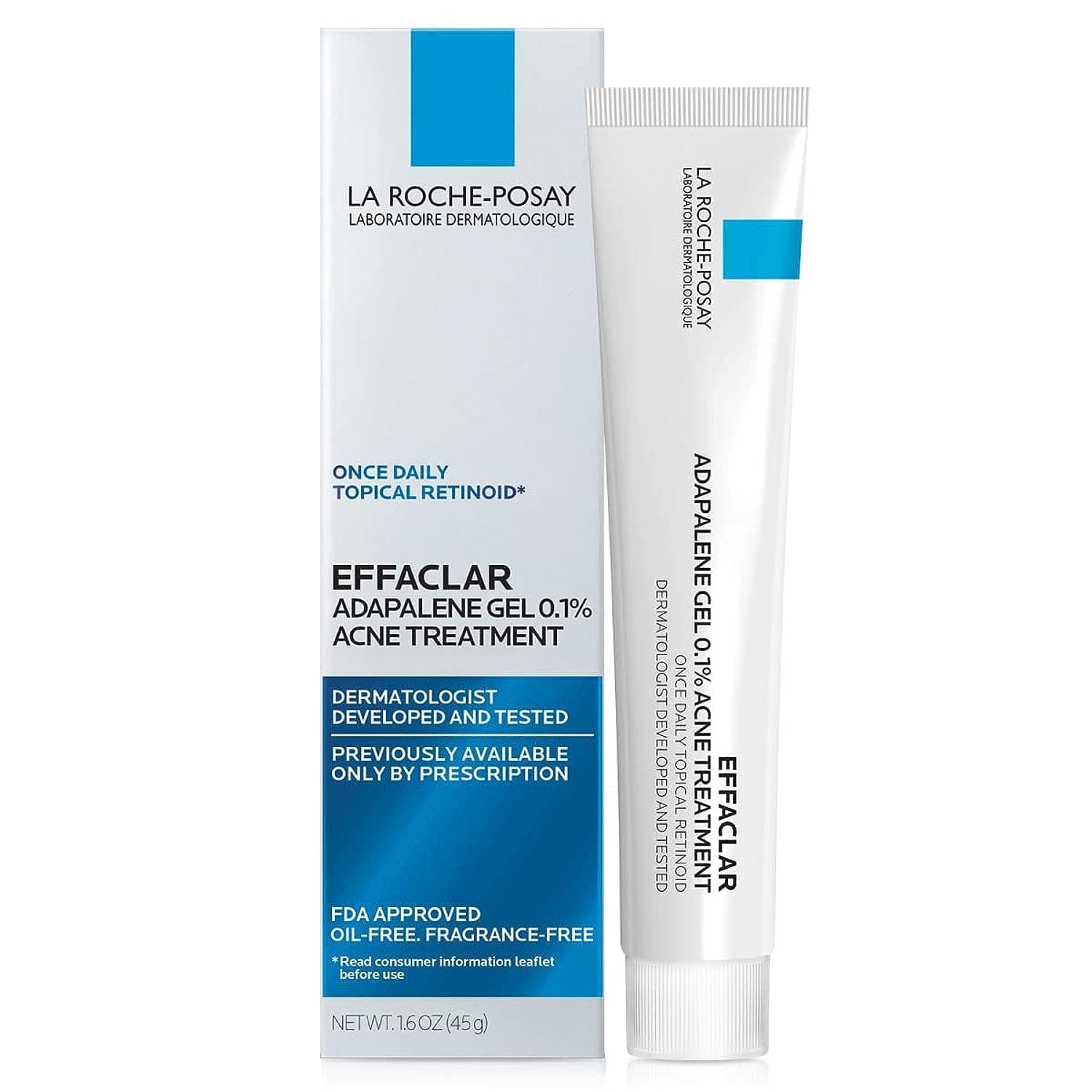
La Roche-Posay Effaclar Adapalene Gel 0.1% Acne Treatment
An over-the-counter retinoid gel with 0.1% adapalene, labeled for acne in adults and children 12 and older and used once a day.
EltaMD
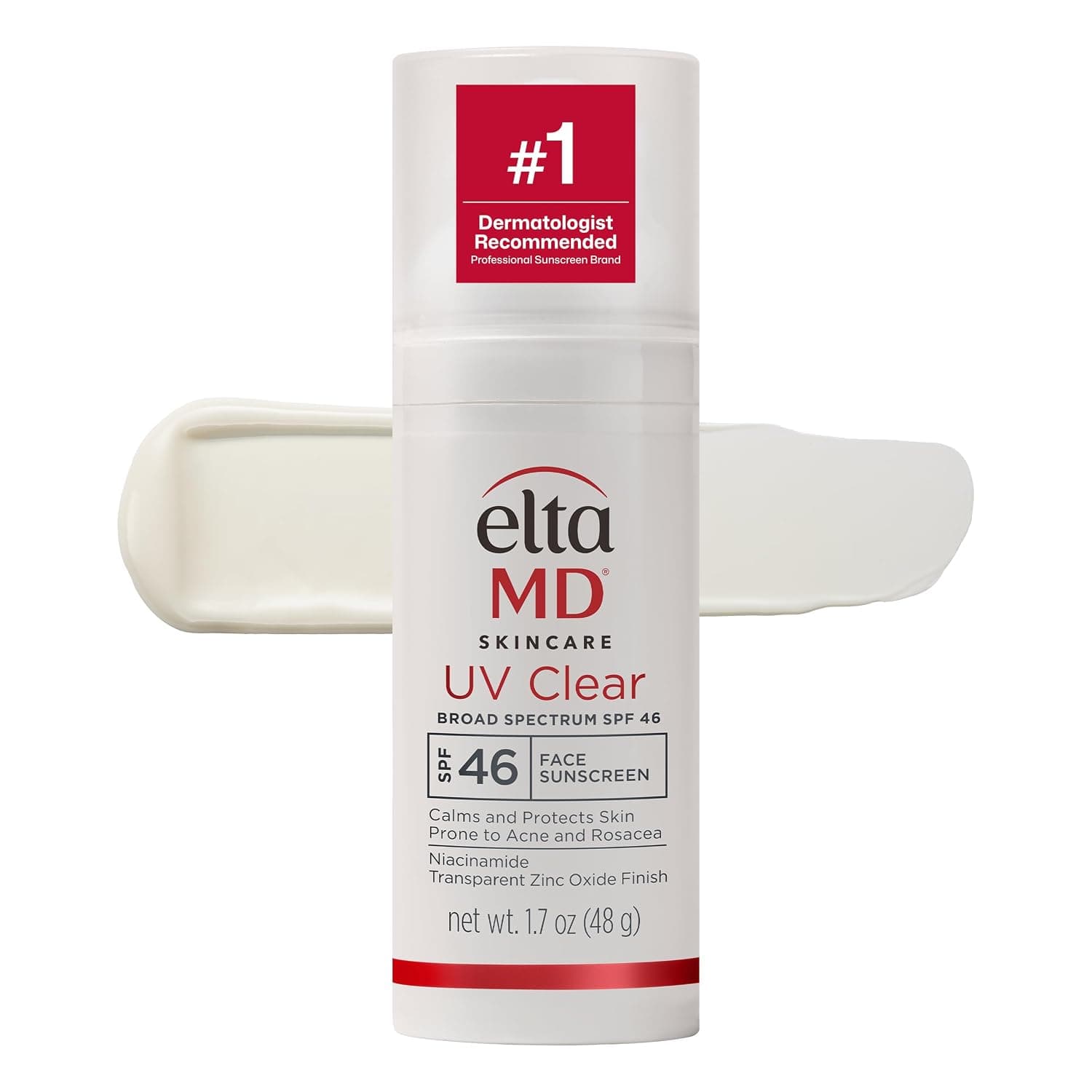
EltaMD UV Clear Broad-Spectrum SPF 46, Untinted
An oil-free, untinted face sunscreen with broad-spectrum SPF 46 from zinc oxide and octinoxate, plus niacinamide, that EltaMD designs for oily, acne-prone and sensitive skin.
medicube
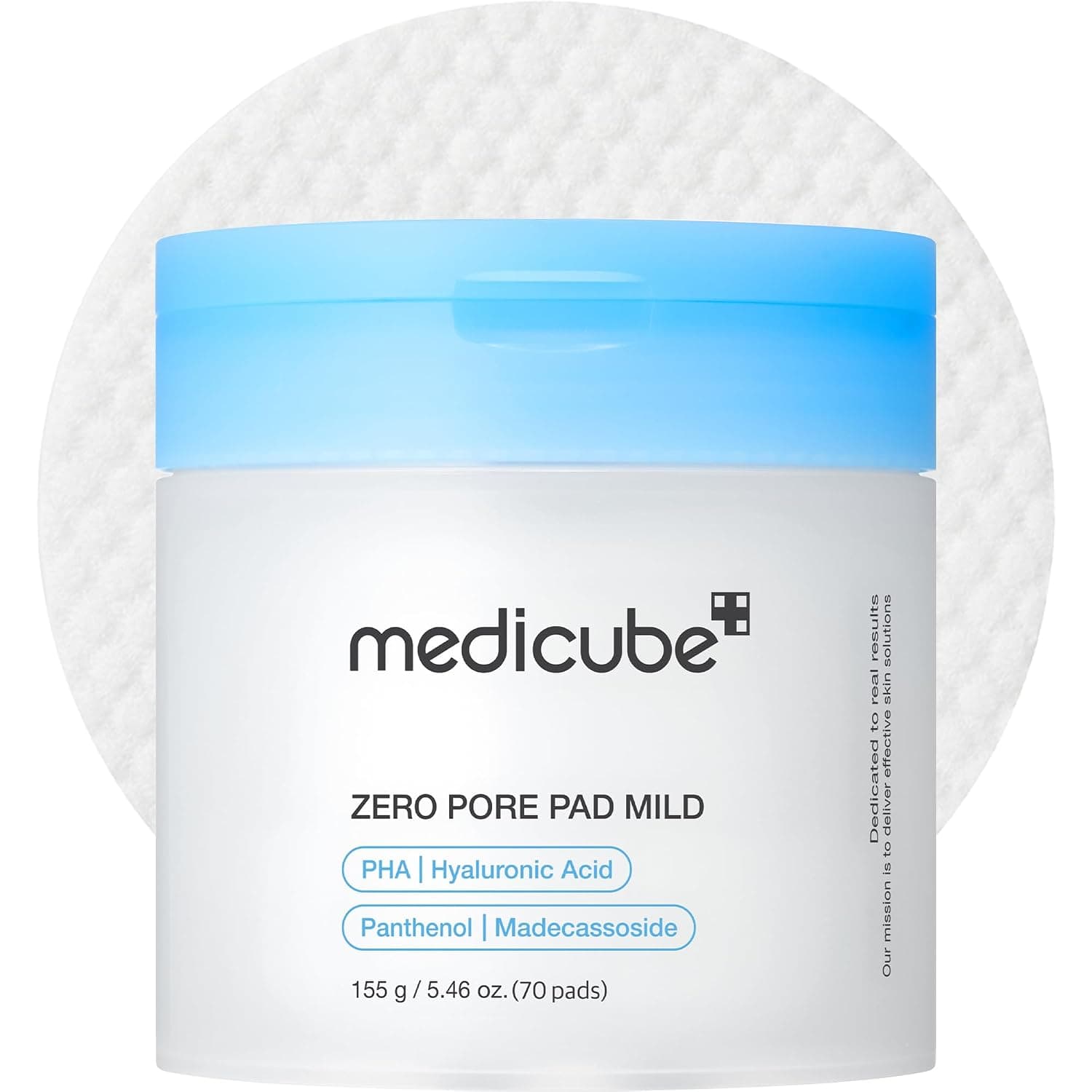
Medicube Zero Pore Pad 2.0, 70 pads
Dual-textured exfoliating toner pads with lactic acid and salicylic acid that medicube makes for the look of pores, oil and dead-skin buildup.