1 / 8
COSRX Low pH Good Morning Gel Face Cleanser, Gentle Face Wash, 5.07 fl oz
A gel face wash with betaine salicylate, which COSRX calls a BHA, and tea tree leaf oil, at a pH COSRX lists as 5.31 plus or minus 1.00.
Paid link. As an Amazon Associate I earn from qualifying purchases.
Velyqora helps you discover and compare products. Purchases are completed on Amazon.
Category: Cleansers
Updated · Researched from brand, FDA and dermatology sources, not hands-on tested. How we research
Quick verdict
Good fit if you: have oily or combination skin and want a light gel wash for the morning or as the second cleanse at night; would like a cleanser whose brand states its pH; and know your skin is fine with tea tree oil and plant extracts.
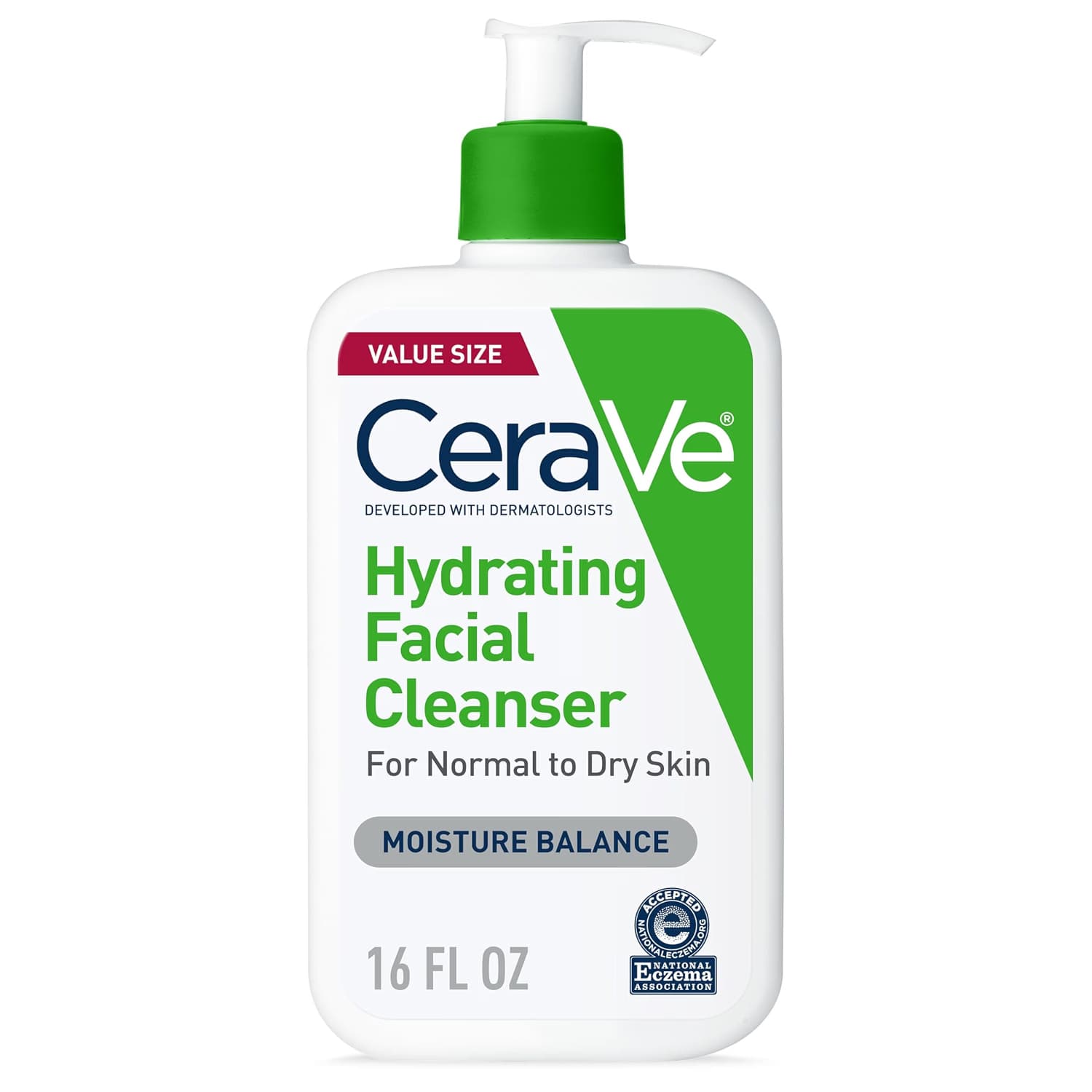
Maybe skip it if you: have sensitive skin or react to essential oils or botanical extracts. COSRX calls it "great for sensitive skin", but the formula contains tea tree leaf oil and seven plant extracts. The AAD advises people with sensitive skin to avoid fragrance, and the NIH notes that tea tree oil can cause redness or irritation in some people. Also skip it if you want an acne treatment: COSRX gives no strength for betaine salicylate, and it is listed as an ordinary ingredient, not as the active ingredient of an acne product. If your skin is dry and feels tight after a gel wash, a cream cleanser such as CeraVe Hydrating Facial Cleanser may suit you better. And if you wear heavy makeup, plan on a first cleanse before this one.
Evidence: Limited. How we grade evidence
Paid link. As an Amazon Associate I earn from qualifying purchases.
About this product
COSRX Low pH Good Morning Gel Cleanser is a gel face wash for the morning, or for the second step of an evening double cleanse. COSRX lists its pH as 5.31 ± 1.00 and highlights two ingredients: betaine salicylate, which COSRX calls a BHA, and tea tree (Melaleuca alternifolia) leaf oil. It cleans with non-soap surfactants (cocamidopropyl betaine and sodium lauroyl methyl isethionate). Its ingredient list also has seven plant extracts, a yeast ferment (saccharomyces ferment) and allantoin.
The "low pH" in the name is COSRX's own claim, and the number is COSRX's own figure. Even at the top of the stated range (6.31), it sits below the 6.65 to 7.35 band that one 2024 study counted as neutral. That study measured 250 cleansers and found all the soaps alkaline and most liquid non-soap cleansers acidic. It also found that only about 15% of the non-soap cleansers disclose their pH, so COSRX printing a figure is unusual. No fragrance or alcohol (ethanol) appears in the ingredient list, but tea tree leaf oil is an essential oil.
We researched this product from COSRX's stated pH and key ingredients, the full ingredient list published by two retailers, the American Academy of Dermatology (AAD), the National Institutes of Health (NIH), the FDA and published studies, and have not tried it ourselves.
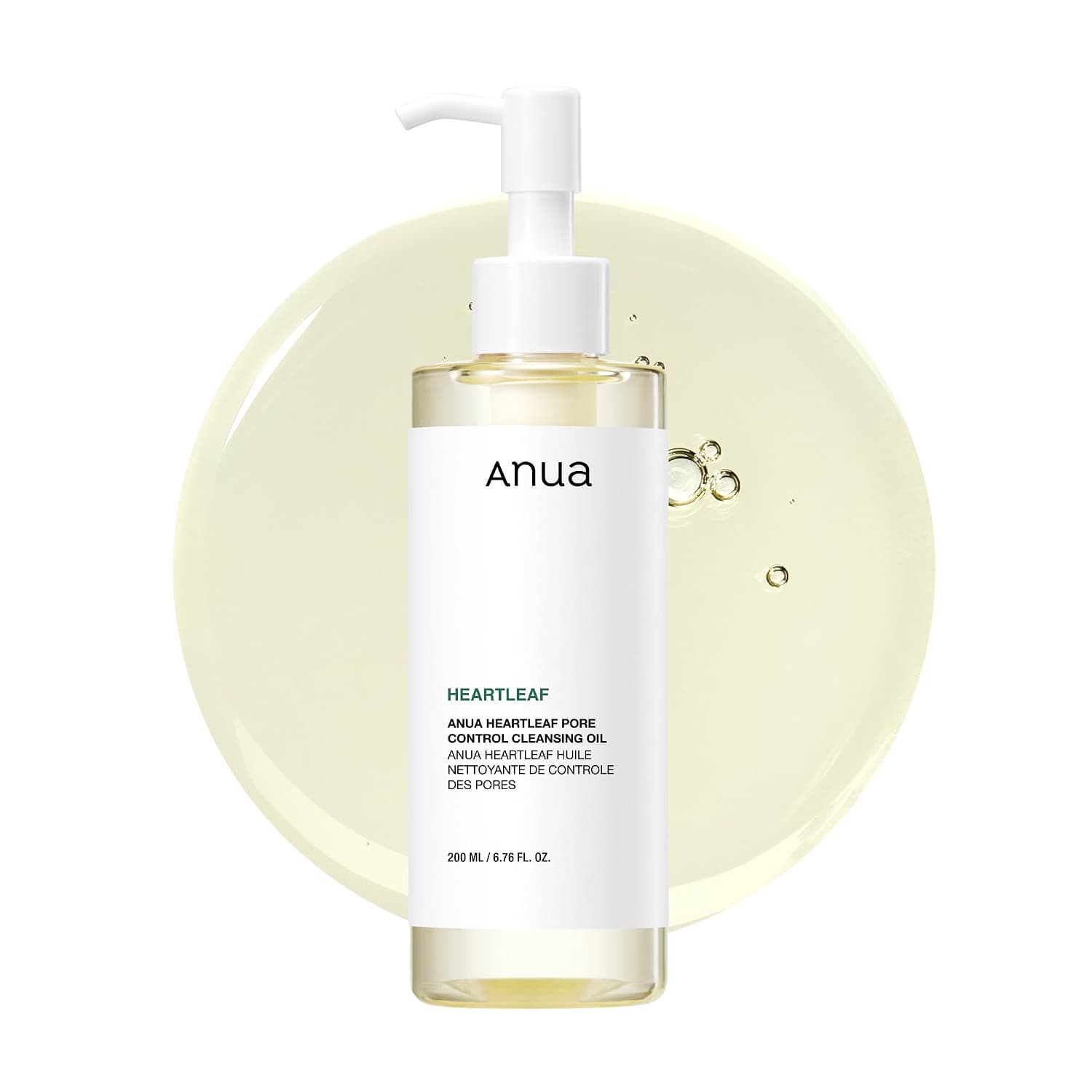
How it fits a routine: In the morning, this is your only cleanse. Massage a small amount onto wet skin, avoiding the eyes and mouth, then rinse with lukewarm water and pat dry. At night, use it as the second step after an oil cleanser or makeup remover, such as Anua Heartleaf Pore Control Cleansing Oil. The AAD's general method applies: lukewarm water, fingertips, no scrubbing, and washing no more than twice a day plus after heavy sweating. COSRX calls betaine salicylate a BHA, and the FDA advises sun protection with BHA products, so finish your morning routine with sunscreen.
Worth knowing
- How strong is the evidence? Limited. The research supports the general idea, not this product. A 2024 study that measured 250 cleansers says acidic cleansers are generally preferred for eczema-prone skin, whose pH shifts toward alkaline. A 2022 review says non-soap cleansers disturb the skin barrier less than soap does. We found no published trial of this cleanser, and a search of the Europe PMC research database found no human skin study of betaine salicylate. On tea tree oil, the NIH says only a small amount of research suggests it might help acne and more evidence is needed.
- What does "low pH" mean here? COSRX lists the pH as 5.31 ± 1.00, so the stated range runs from about 4.3 to 6.3, all on the acidic side of neutral. Some retailers quote a rounded figure such as 5 or 5.5. We use COSRX's own number.
- Is betaine salicylate the same as salicylic acid? The ingredient list names betaine salicylate, not salicylic acid. COSRX calls it a BHA but gives no percentage, and we found no published human skin studies of it. In a cleanser that you rinse off, think of it as a supporting ingredient rather than a treatment.
- About the tea tree oil: The NIH says skin reactions to tea tree oil may be more likely when a product is old or has been exposed to heat, light or air. Keep the cap closed, store it out of the sun, and don't keep using an old tube.
- Pregnant or breastfeeding? The NIH says topical tea tree oil products may be safe during pregnancy and breastfeeding. We found no source on betaine salicylate in pregnancy, so check with your doctor.
- Patch test first. The AAD suggests applying a new product to a quarter-sized spot on your inner arm twice a day for 7 to 10 days. For a cleanser, leave it on for about five minutes or as the label directs.
- Ingredient lists can change. The list on your tube is the one to trust.
This is general information to help you choose products, not medical advice. Skin responds differently from person to person. Patch-test new products, follow label directions, and talk to a dermatologist or doctor about skin conditions, prescription treatments, pregnancy or breastfeeding.
Decided?
Paid link. As an Amazon Associate I earn from qualifying purchases.
More in Cleansers
View allPaid links. As an Amazon Associate I earn from qualifying purchases.
Anua
Heartleaf Pore Control Cleansing Oil by Anua for Unisex - 6.76 oz Cleanser
A plant-oil cleanser with heartleaf extract and fragrance that Anua makes as the first step of a double cleanse, to lift sunscreen, makeup and excess oil.
CeraVe
CeraVe Hydrating Cleanser with Hyaluronic Acid, Gentle Face Cleanser,16oz
A cream-textured face wash with three ceramides and hyaluronic acid, made by CeraVe for normal to dry skin that feels tight after cleansing.
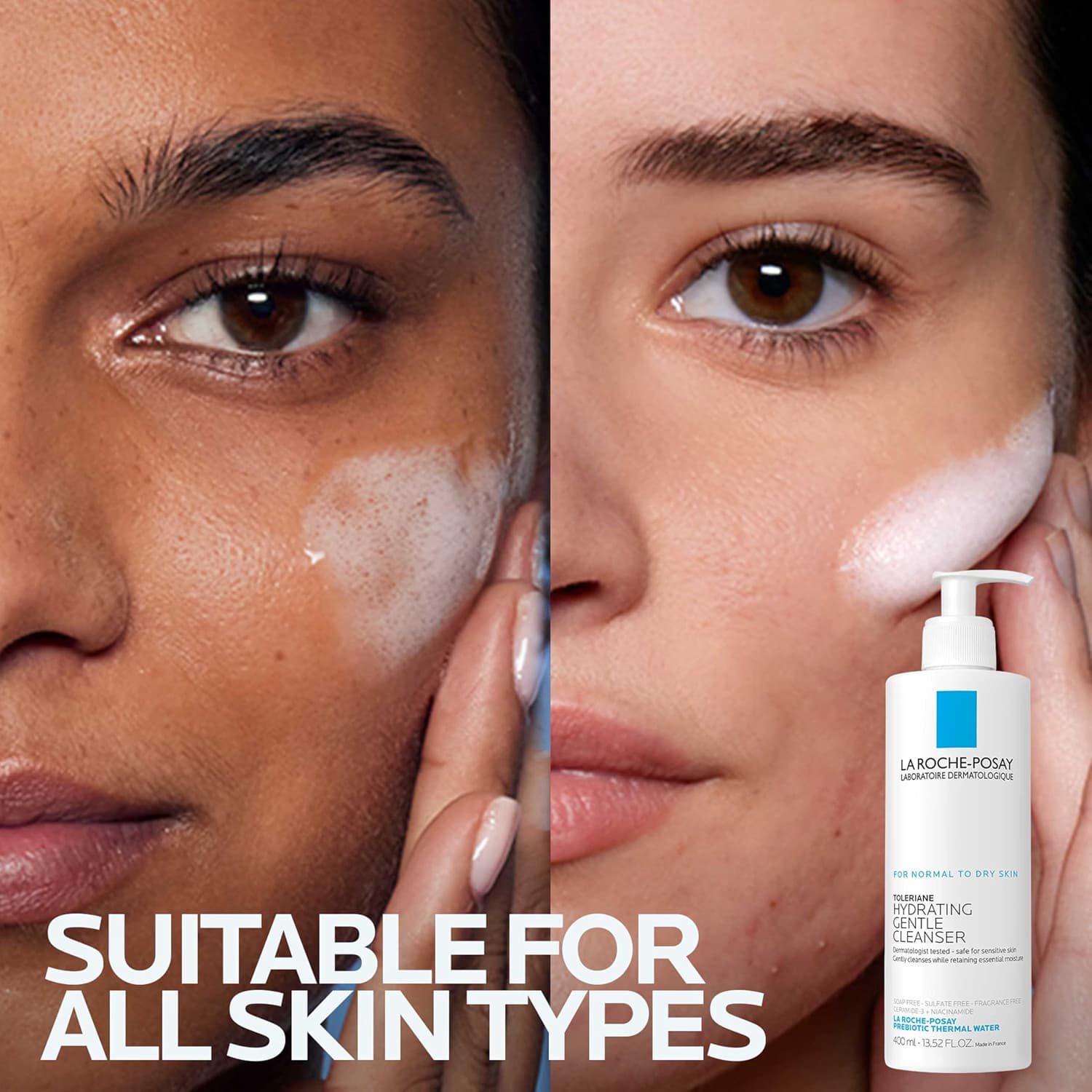
La Roche-Posay
La Roche-Posay Toleriane Hydrating Gentle Facial Cleanser, with Niacinamide
A fragrance-free face wash with ceramide NP and niacinamide that La Roche-Posay makes for normal to dry, sensitive skin.
CeraVe
CeraVe Foaming Facial Cleanser, Gentle Cleanser for Oily Skin, 16fl oz
A foaming gel face wash with niacinamide, three ceramides and hyaluronic acid, made by CeraVe for normal to oily skin.